
When it comes to looking the part, a gentleman knows that little details can sometimes matter the most. Here, we explore 15 essential habits that mark a man of distinction.
- 1. Always Carry a Quality Umbrella
- 2. Hold the Door for Everyone
- 3. Offer Your Seat to Those in Need
- 4. Rise When Meeting Others
- 5. Ensure Others’ Comfort Before Sitting
- 6. Introduce Your Companions
- 7. Use Formal Titles Upon Meeting
- 8. Engage Everyone in Conversation
- 9. Understand the Wine Ritual
- 10. Stand When a Lady Leaves or Joins the Table
- 11. Compliment the Staff on Excellent Service
- 12. Settle the Bill When You Extend the Invitation
- 13. Write Handwritten “Thank You” Notes
- 14. Master the Fundamentals of Etiquette
- 15. Adhere to Understood Dress Codes
- Outfit Rundown
- Conclusions
- Frequently Asked Questions
- Mastering the Details of Gentlemanly Conduct
1. Always Carry a Quality Umbrella
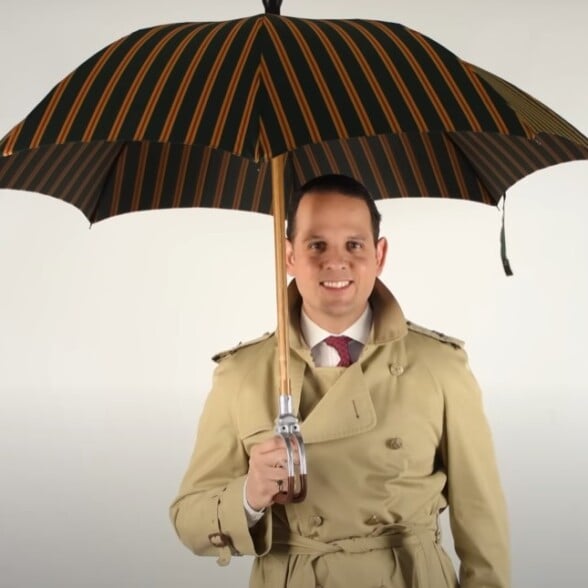
Preparedness is a cornerstone of a gentleman’s character, and few accessories demonstrate this virtue more clearly than a fine umbrella.
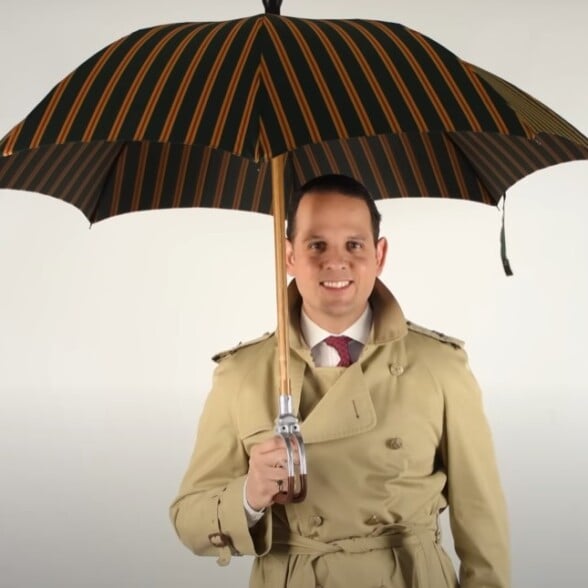
Always Prepared, Always Poised
When rain is a possibility, he carries one not merely for his own comfort but for that of a companion. Unlike a bulky coat, a sleek umbrella offers elegant protection from a downpour.
To be caught dashing through the rain is an undignified spectacle; to be poised and prepared is the picture of foresight and class.
2. Hold the Door for Everyone
While tradition often associates this act with chivalry towards ladies, the modern gentleman understands it as a universal gesture of consideration. Holding a door for the person immediately behind you, regardless of their gender, is a simple yet significant gesture that demonstrates your awareness of your surroundings and respect for others. This courtesy is especially vital when assisting the elderly, the disabled, or anyone who has their hands full.
Are you making etiquette mistakes without realizing it?
3. Offer Your Seat to Those in Need
In a crowded public space, be it on a bus or in a waiting room, a gentleman is quick to assess the needs of others. He is always willing to stand so that someone who would benefit more from a seat (such as an elderly person, an expectant mother, or an individual with a disability) may sit comfortably.
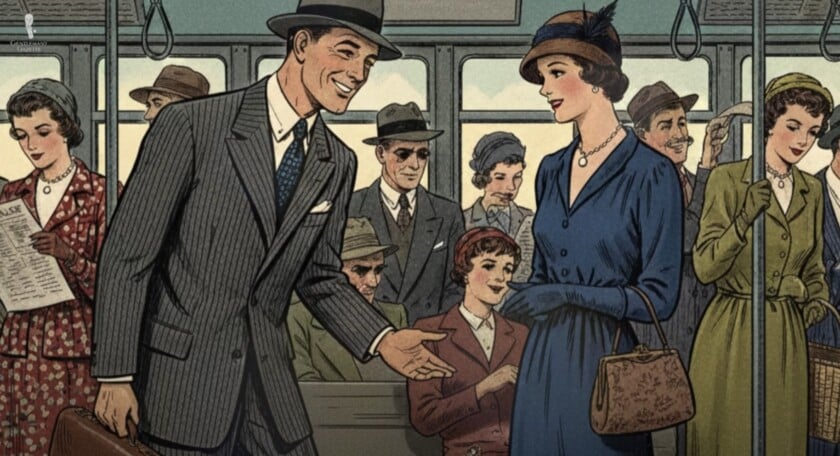
If anyone declines your offer, don’t take it personally. The gesture remains appreciated, even if not accepted.
4. Rise When Meeting Others
With very few exceptions, introductions are best made on one’s feet. Rising to greet someone, even if just for a moment, is a powerful non-verbal sign of respect.
It communicates that you view the other person as an equal and that the introduction is an event worthy of your full attention. Remaining seated can inadvertently signal indifference, an attitude a gentleman studiously avoids.
Could your handshake be sending the wrong message?
5. Ensure Others’ Comfort Before Sitting
Whether you are the host of a dinner party or simply dining with a companion, a gentleman ensures others are comfortable before he takes his own seat. This may involve pulling out a chair, assisting with a coat, or simply waiting until a guest has settled.
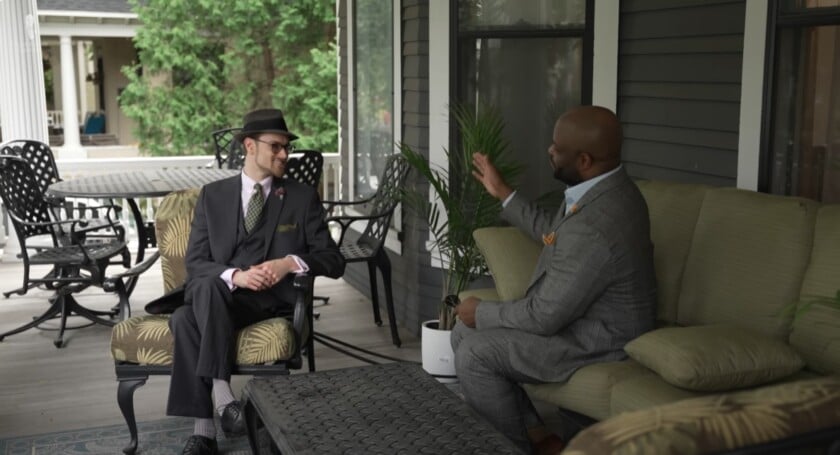
This practice demonstrates that you prioritize the well-being and comfort of others above your own, a foundational principle of hospitality.


6. Introduce Your Companions
There is little more awkward than being the unknown person in a group. When you are the sole connection between individuals, it is your duty to make proper introductions.
A gentleman bridges this social gap promptly. To further smooth the interaction, he might mention a shared interest between the parties to help spark a conversation.
Do you know how to introduce yourself like a gentleman?
7. Use Formal Titles Upon Meeting
When first meeting someone, particularly in a formal or professional setting, defaulting to titles is a sign of respect.

On Titles & First Impressions
Let Them Offer the First Name
It is always more graceful for the other person to invite familiarity by saying, “Please, call me John,” than it is to recover from the presumption of using a first name too soon.
This is especially crucial when addressing someone with an earned title, such as a doctor or a professor.
8. Engage Everyone in Conversation
During a group discussion, a gentleman is attuned to the room’s dynamics. He makes a conscious effort to ensure no one is excluded, gently guiding the conversation to create openings for quieter individuals to speak.
By asking for their opinions or directing a question their way, he validates their presence and enriches the dialogue for everyone involved.
9. Understand the Wine Ritual
When a sommelier presents a bottle and pours a taste, the purpose is not to decide if you like the wine, but to confirm it is not spoiled. A flawed wine will have a distinctively musty or sour aroma.
A quick swirl and a sniff are typically sufficient. To reject a sound bottle because it doesn’t suit your personal taste is a significant breach of etiquette.
“Age appears best in four things: old wood to burn, old wine to drink, old friends to trust and old authors to read.”
Francis Bacon

10. Stand When a Lady Leaves or Joins the Table
During a formal dinner, certain time-honored conventions add a layer of elegance. One such tradition calls for gentlemen to rise briefly when a lady first joins the table, and again if she excuses herself and later returns. While this rule may be set aside in casual settings, observing it on a formal occasion is a sophisticated gesture of respect.
What should you never do at the table?
11. Compliment the Staff on Excellent Service
While nearly any patron will complain when service is poor, a gentleman makes a point to offer genuine praise when it is excellent. Beyond a simple “thank you,” consider elevating the compliment by briefly and specifically telling the manager what their team member did to make the occasion special.
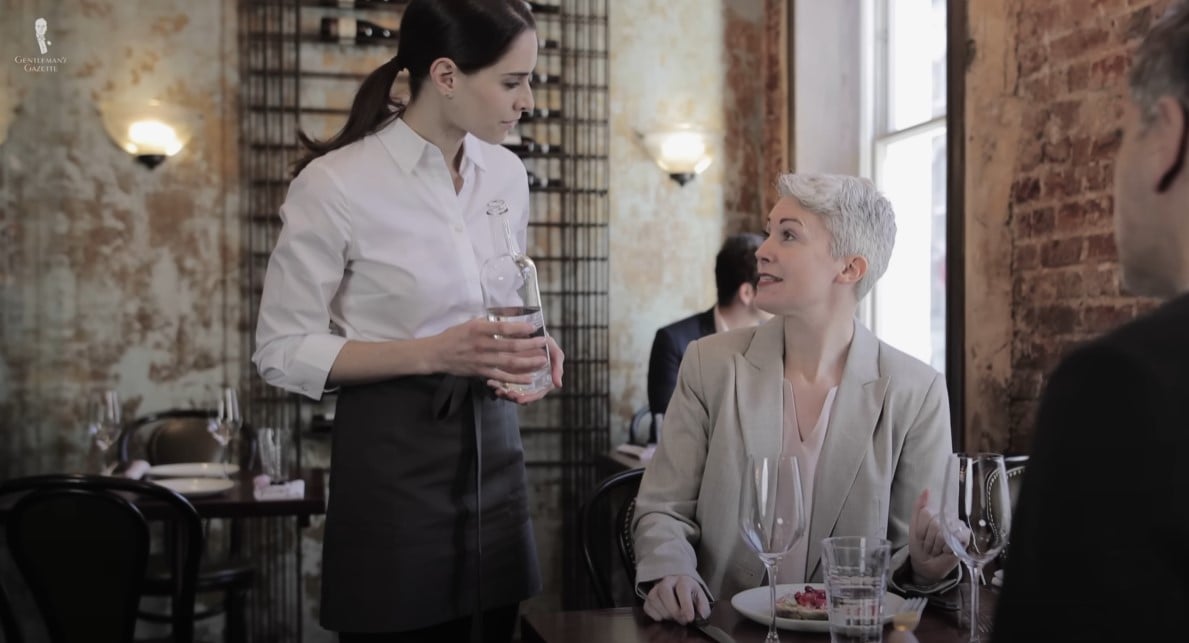
To a server:
“Thank you, [Name of the server]. Your recommendation for the wine was perfect, and you were wonderfully attentive without being intrusive. You made our dinner much more enjoyable.”

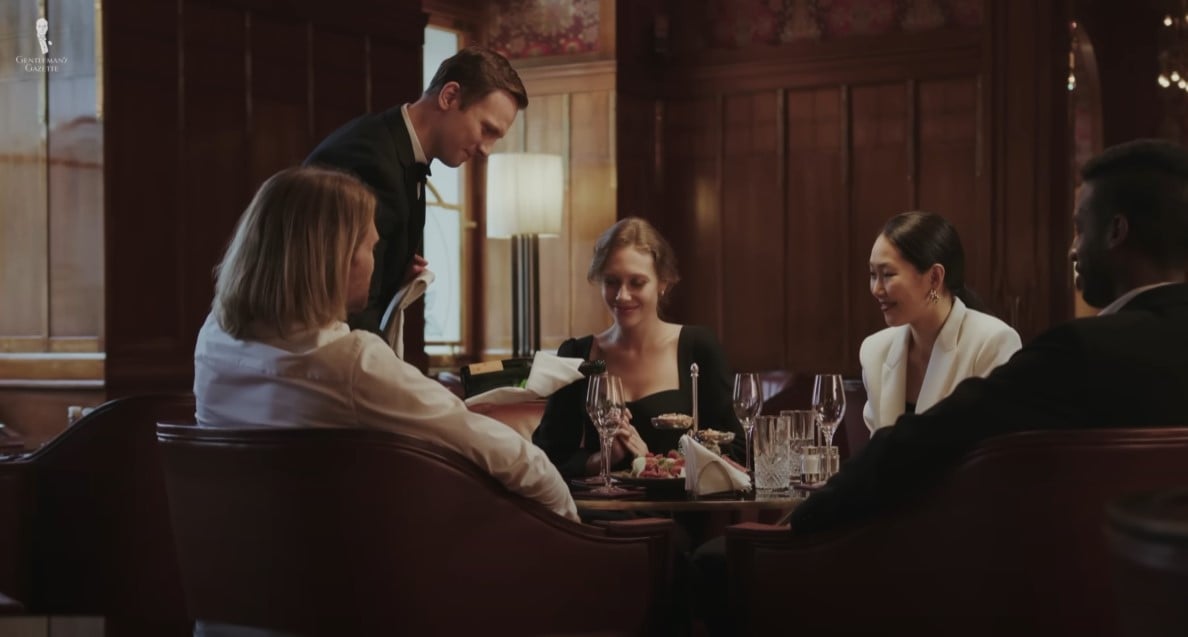
To a host or maître d’:
“I wanted to thank you. The table you gave us was lovely, and we truly appreciate how welcoming you were from the moment we arrived.”
To a barista or counter staff:
“You make an excellent flat white. I appreciate the care you put into it. Thank you.”
This small act of recognition can make a profound difference.
12. Settle the Bill When You Extend the Invitation
When a gentleman invites someone to dine, he considers the occasion a gift and intends to pay for the meal. This gesture is one of hospitality and appreciation for his guest’s company.
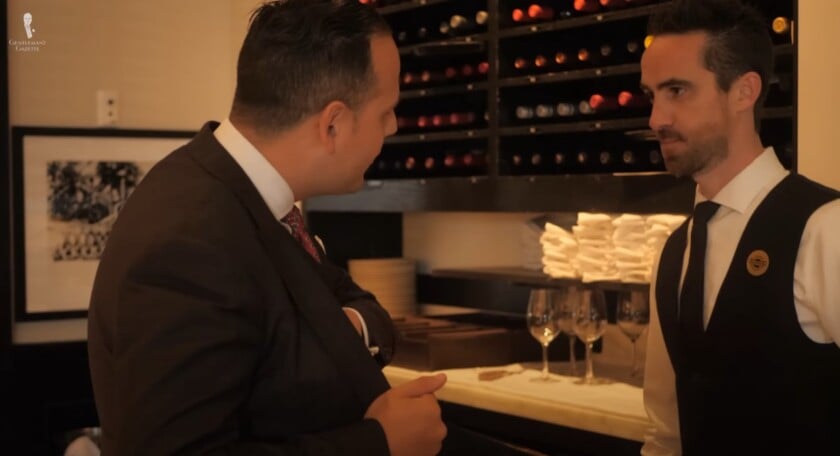
By discreetly handling the bill, he ensures the focus remains on the shared experience. Should his guest insist on contributing, a gentleman is gracious enough to accept.
13. Write Handwritten “Thank You” Notes
In an age of fleeting digital messages, the handwritten note stands apart as an emblem of sincerity. Taking the time to compose and send a tangible expression of gratitude demonstrates a level of care and thoughtfulness that is increasingly rare, leaving a powerful and lasting impression.
Do handwritten notes still matter today?
14. Master the Fundamentals of Etiquette
Etiquette is not a single rule but a code of conduct designed to make social interactions more pleasant. While mastering every detail can seem daunting, the core principle is simple: consistently consider if your actions are enriching or diminishing the experience of those around you.
For those ready to delve deeper into this rewarding subject, we have compiled our definitive guide into a complete video series. Explore our full Etiquette Playlist on YouTube:
15. Adhere to Understood Dress Codes
A gentleman understands that clothing is a form of communication. While following a written dress code is simple, he also grasps the implicit expectations of various occasions. Dressing appropriately shows respect for the host, the event, and the other guests, signaling that you are invested in making the occasion a success.
Outfit Rundown

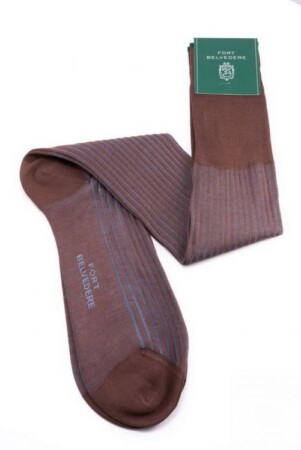
Today, I’m wearing a checkered sport coat with blue, tan, and cream accents; it’s paired with a blue pocket square, a blue shirt, tan trousers, brown loafers, and Fort Belvedere socks with a brown-and-blue shadow stripe. For more great accessories like these socks and other pocket squares you might find, check out the Fort Belvedere shop here.
Conclusions
While we won’t always get every detail 100% right when trying to be a “perfect” gentleman, these are small gestures that can make a world of difference
What little things do you do to stand out as a gentleman? Let us know in the comments!
Frequently Asked Questions
How can I be a better gentleman?
Often, it’s the little details that can make a big difference. Learning how to be more considerate of others through your actions is often a great first step.
How can I tell if I’m breaching etiquette?
Often, if someone looks uncomfortable or annoyed by something you did, you could be in breach of etiquette.
What’s a small gesture only gentlemen do?
Often, it’s taking an extra step to ensure someone is more comfortable and at ease in an interaction with them, such as offering them something or ensuring their needs are met before attending to your own.
How do I communicate gentlemanliness to others?
Making sure the person you’re interacting with is invited into a conversation, treated equally, and offered to make them more comfortable are key indicators.
How do I behave like a gentleman in public settings?
Small gestures like holding open doors for those behind you, offering your seat to those who need it, and making sure you’re not inconveniencing others often go a long way.
Mastering the Details of Gentlemanly Conduct
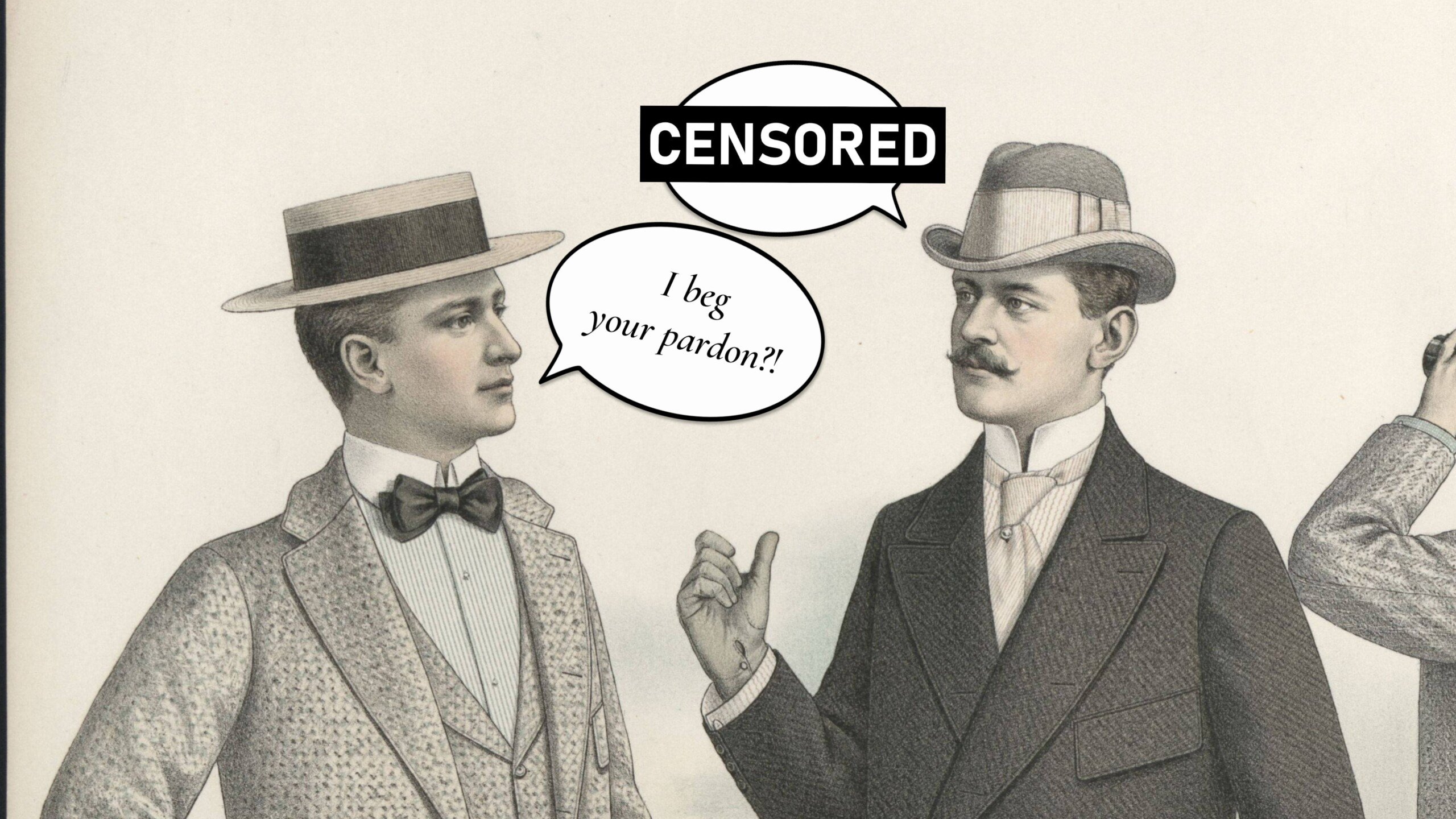
10 Things a Gentleman Never Says
Learn the phrases and remarks a true gentleman avoids to maintain dignity and respect.
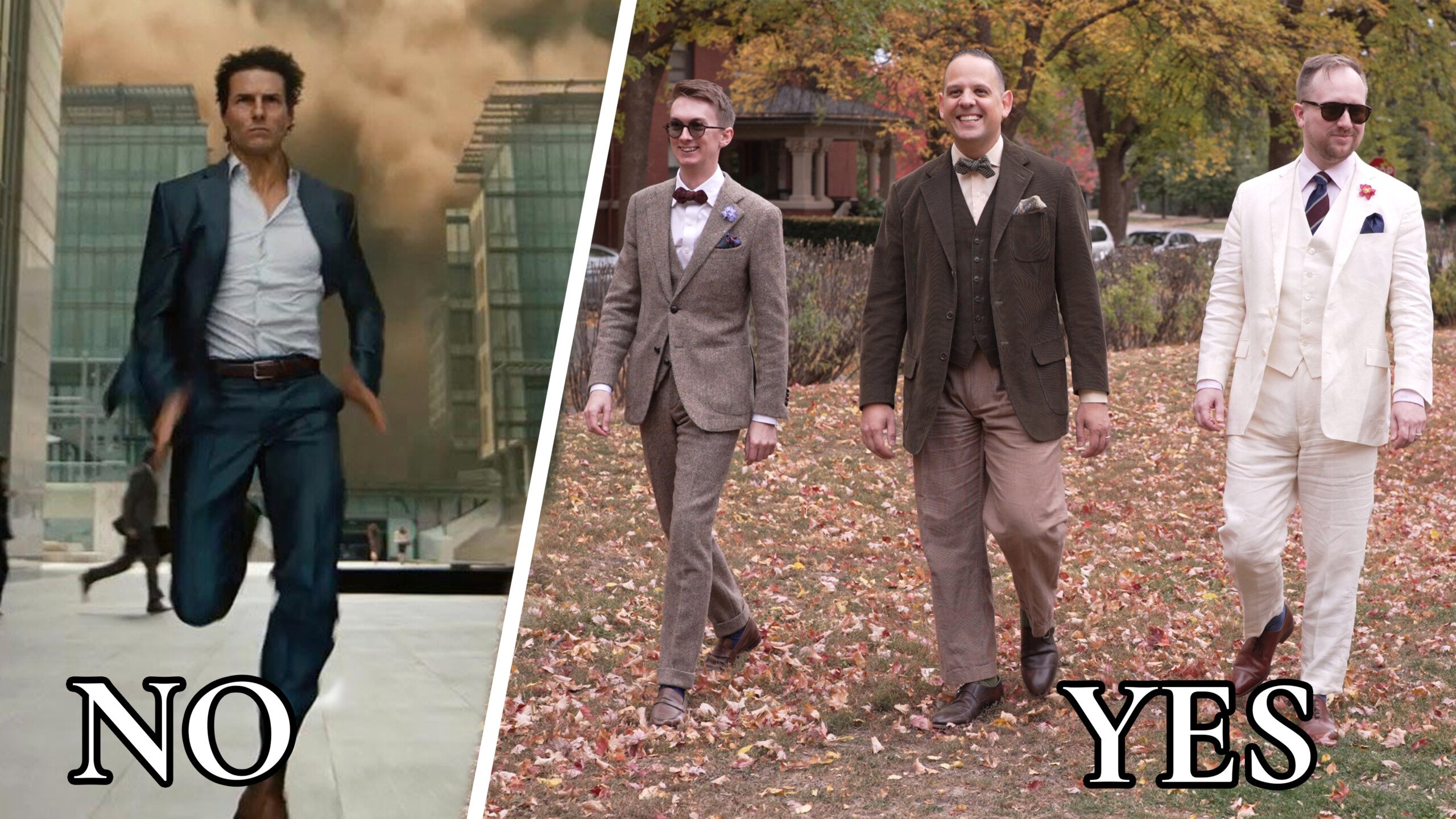
How to Walk Like a Gentleman
Master the posture, pace, and presence that make your walk convey confidence and refinement.
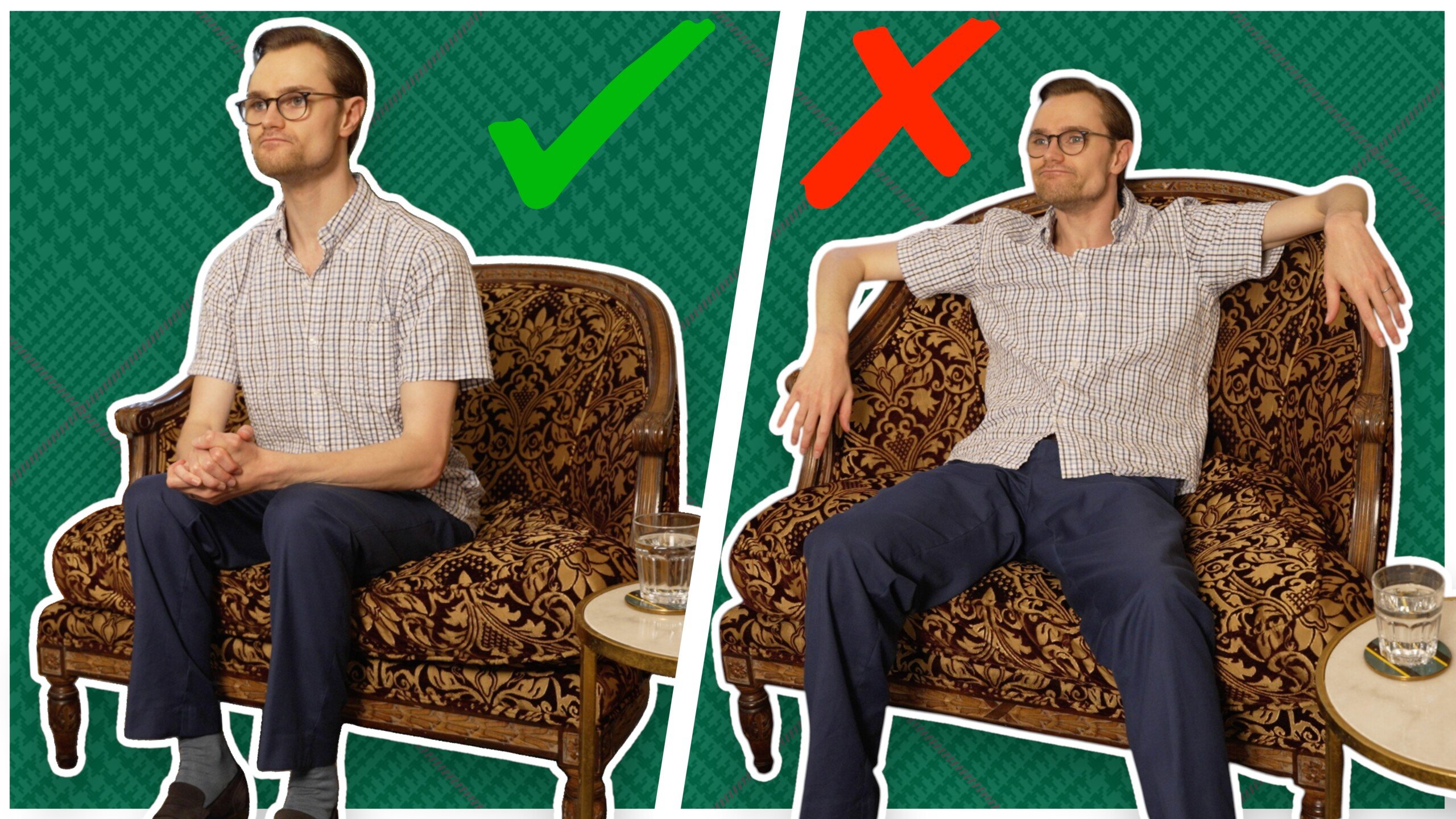
How to Sit Like a Gentleman
Discover how to sit with elegance and composure in any social or professional setting.

Leave a Reply