In the modern age, we are accustomed to finding sartorial inspiration through an endless digital scroll. However, long before the era of Instagram and Pinterest, a gentleman’s inspiration came from a far more tactile and technically rigorous source.
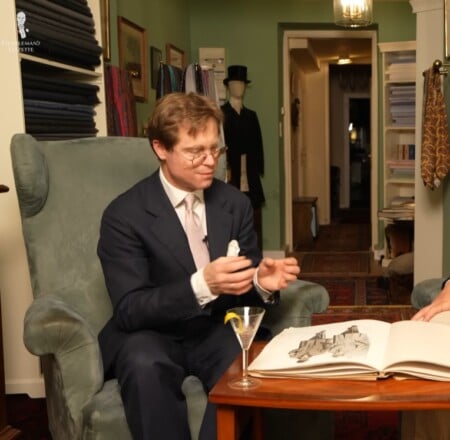
Inside the 19th-district atelier of Michael Possanner, Sven Raphael Schneider discovers a rare 1941 edition of Der Wiener Schneidermeister—the “Viennese Master Tailor” magazine that served as the original social media for the world’s most elegant men.
Uncovering the Technical Secrets of 1940s Tailoring
A Glimpse into the Original Sartorial “Feed”
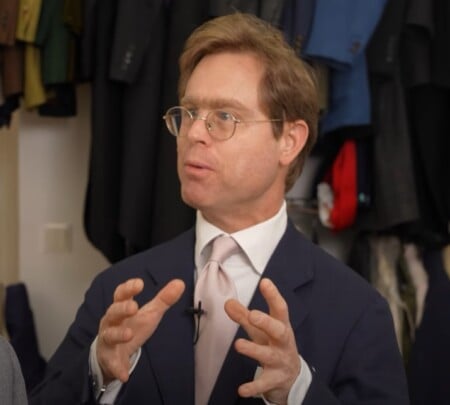
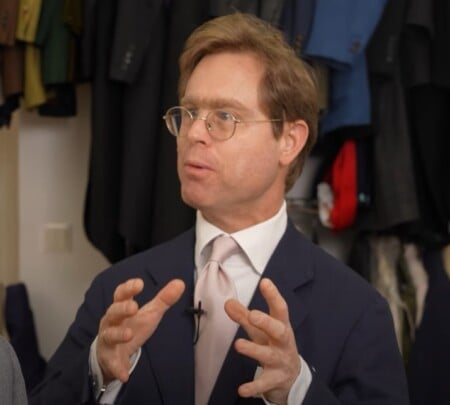
Sven Raphael Schneider joins Master Tailor Michael Possanner at his atelier in Vienna, Austria. Together, they analyze a rare 1941 style magazine once used by tailors to inspire clients and illustrate the final appearance of bespoke garments before the existence of modern media.
“They needed some sources to inspire customers and give an idea what the finished product would look like.”
Michael Possanner, Master Tailor of Maß-Salon Possanner
Master the Proportions of Timeless Style
This technical deep dive helps you understand the mathematical “Golden Ratio” that defines a balanced silhouette. You will learn how to identify high-quality technical details, such as perfect lapel proportions and functional vintage overcoat features, that elevate a garment from standard to exceptional.
The Bespoke Suit as Comfortable as Pajamas
Highlights of the Video

“The lapel width is exactly half of the distance from the sleeve to the edge…”
Michael demonstrates the “Golden Ratio” of tailoring, showing how specific proportional measurements create a visually balanced jacket front.
“It’s a casual elegance of overcoating.”
Michael discusses the sportive touch of Raglan sleeves and how their construction offers a unique mix of comfort and old-fashioned elegance.
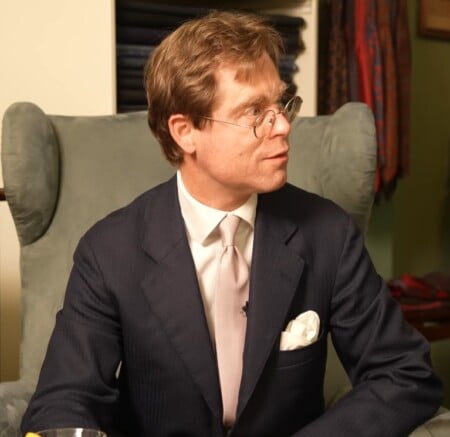
“Today we consider 8 ounces to be light. This started at 16, 17… and most of them were about 20 ounces.”
A look at historical fabric weights, where 16 to 20-ounce fabrics were the standard for weather-resistant Austrian garments.
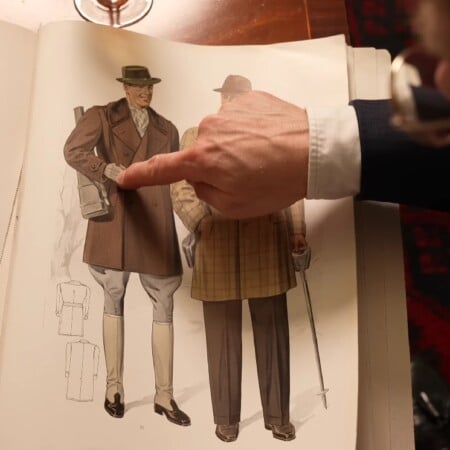
“The original purpose was for hunting, but nowadays it’s become popular also in the city.”
Michael describes the evolution of the “Wienutza,” a classic Viennese overcoat style that has transitioned from functional hunting gear to a city staple.
Ask the Expert
Why were the illustrations in 1941 so “idealized”?
The artists of the time used idealized proportions, such as exceptionally tall figures and long leg lines, to serve as an inspirational source for customers and to show garments to their best possible effect.
What is a “Wienutza“?
The Wienutza is a classic Viennese overcoat originally intended for hunting that features unique functional details like hand-warmer pockets and a manettengle, or cuff belt.
How heavy were “lightweight” fabrics in the 1940s?
In 1941, 16 ounces was considered a light fabric weight, whereas modern standards typically consider 8 ounces to be the baseline for lightweight materials.
“When you do bespoke, you can do whatever you want. And this may be the inspiration you want.”
Sven Raphael Schneider, CEO & Founder of Gentleman’s Gazette

How to Press a Jacket Like a Pro
What to Watch Next
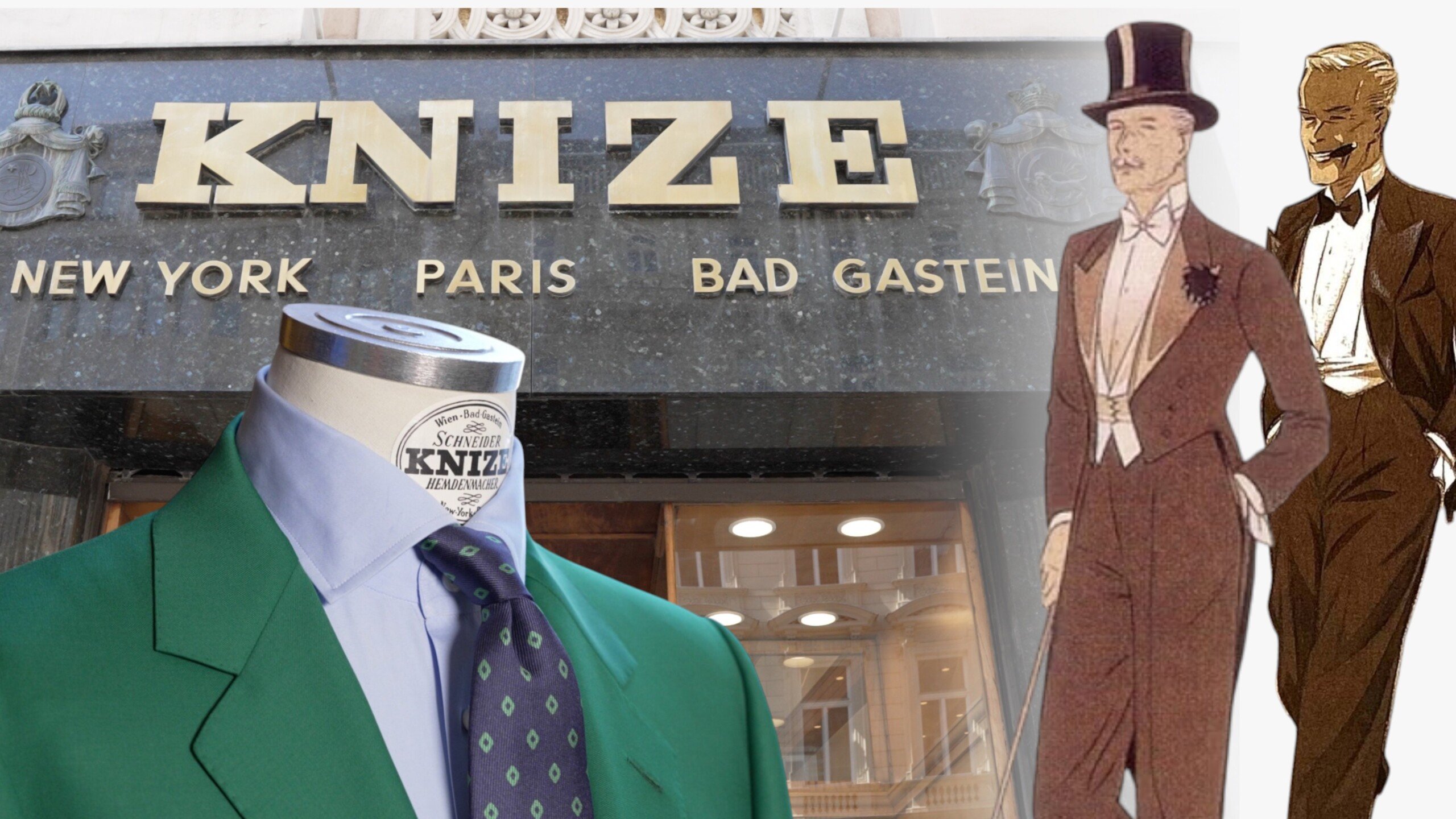
Kniže & Co.: A First-Hand Look at Vienna’s Most Storied Tailor
Discover how this iconic Vienna institution preserves the rigid elegance of formalwear while maintaining a 160-year legacy of dressing the world’s elite.
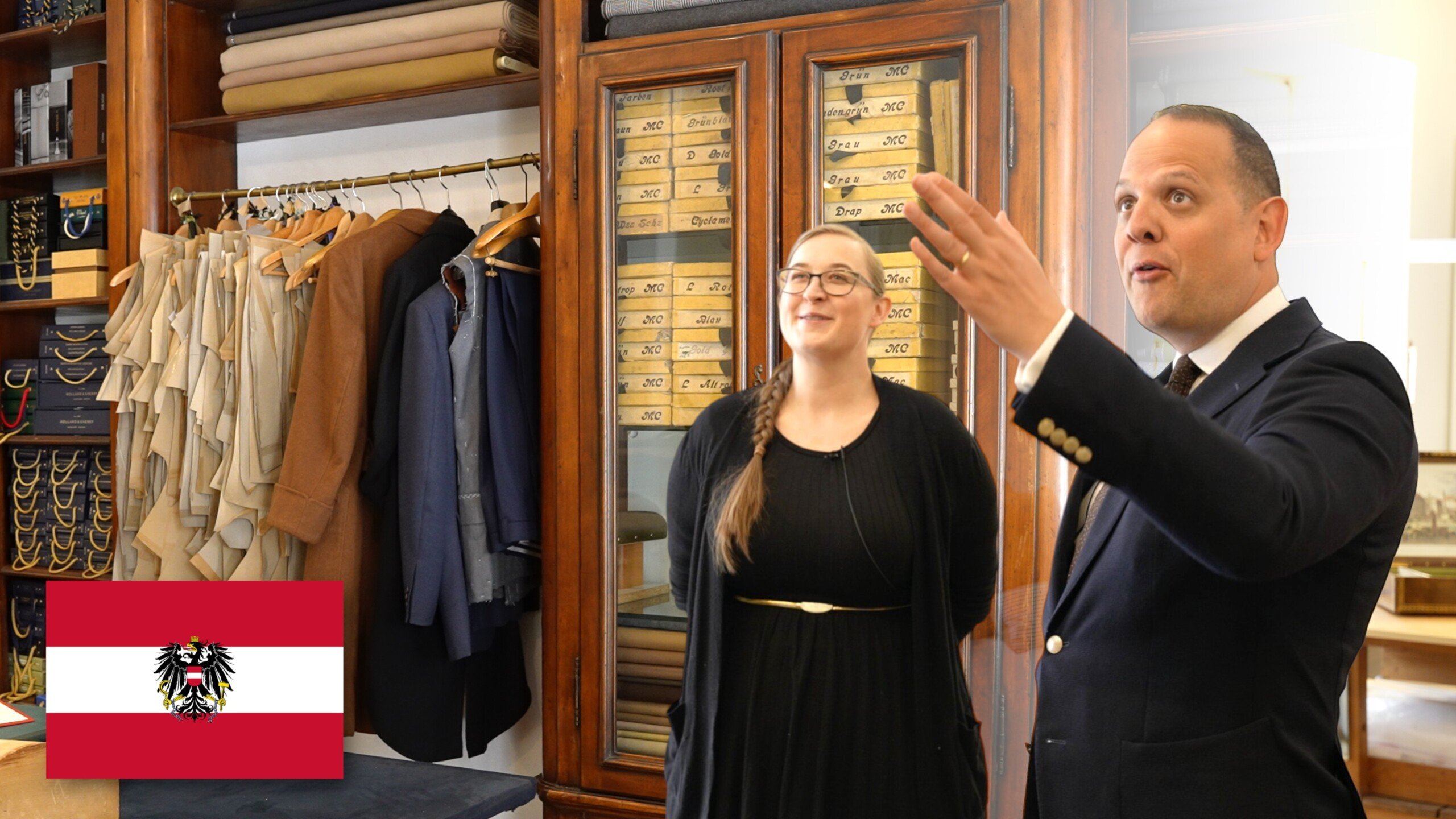
Viennese Bespoke Tailoring with Hedi Rochowanski
From unique canvas construction to the precision of hand-stitched buttonholes, see how Hedi Rochowanski balances technical perfection with a modern sartorial eye.
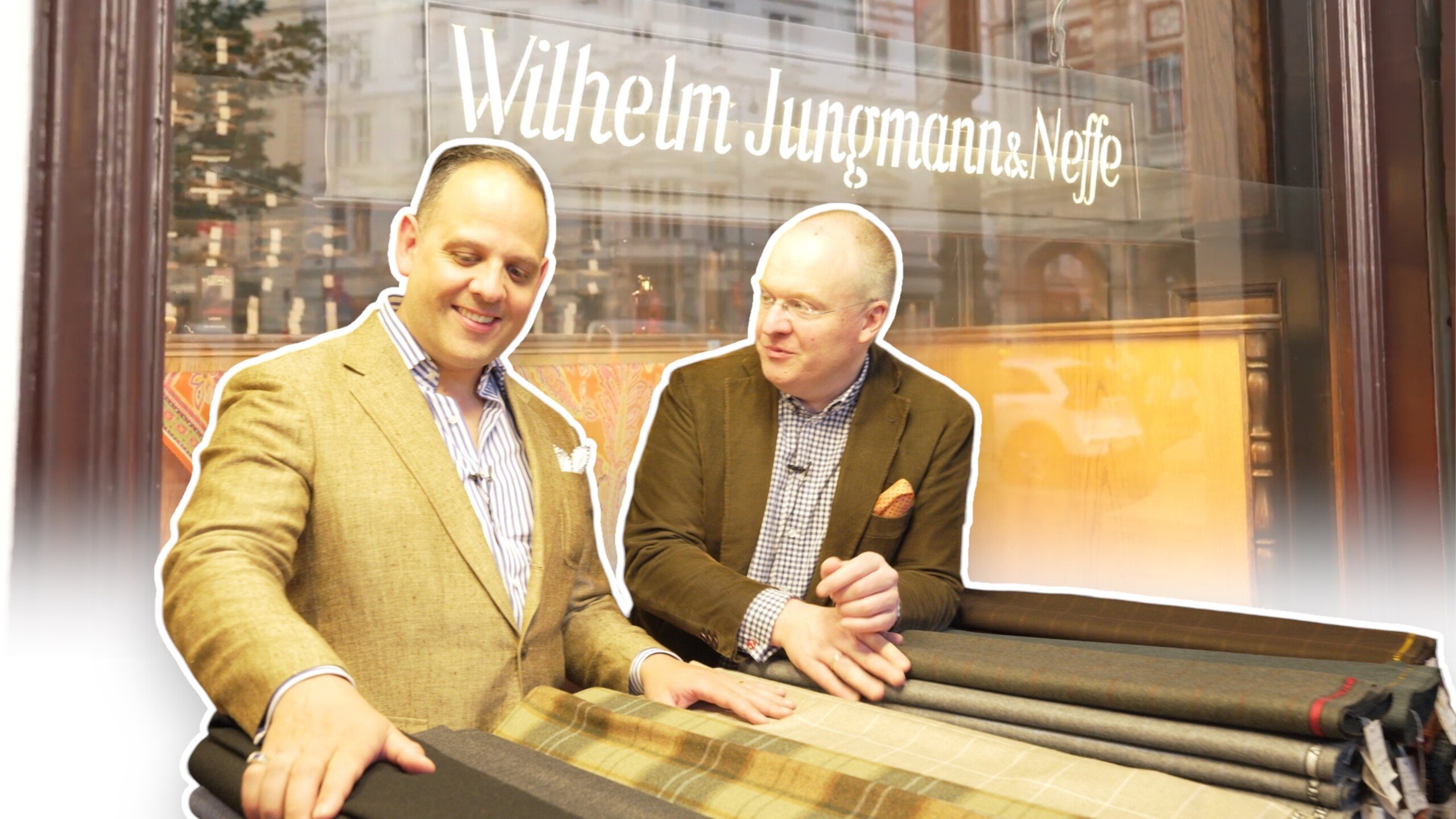
Wilhelm Jungmann & Neffe Shop Tour
Take a deep dive into an unparalleled archive of silk jacquards and rare woolens that have served as the foundation for the world’s most exquisite bespoke commissions since 1881.

Leave a Reply