The 1930s are often called the apex of the Golden Age of Menswear, an era when the average man looked sharper and his clothes lasted longer than most of what we buy today. But what did that actually cost?
Below is the real spending, broken down by item for two very different men, then measured against modern wardrobes. Some of the numbers are not what you would expect.
A note on the figures
All prices and comparisons reflect the figures presented in the video. Period costs are historical estimates for illustration; modern inflation and spending comparisons are approximate and will vary by source and year.
The Well-Paid Everyman
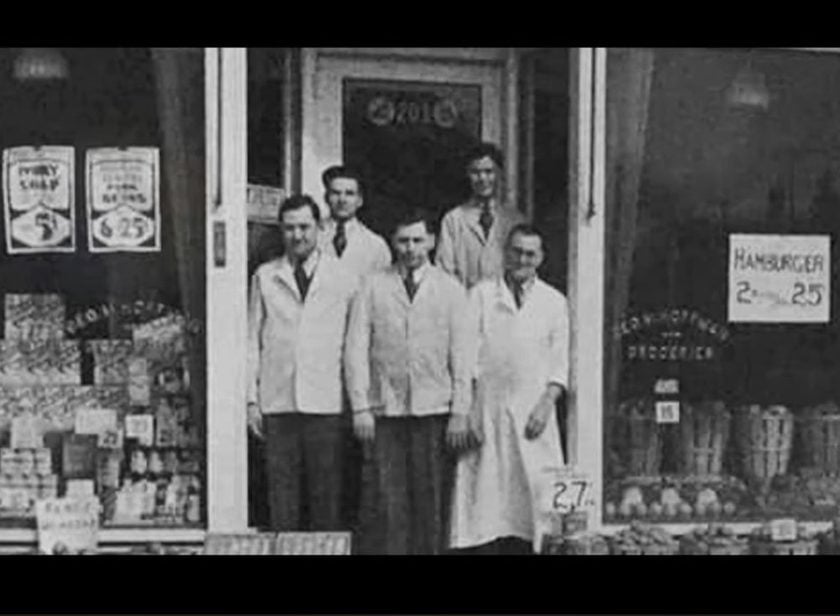
This example would include a clerk, a shopkeeper, a schoolteacher; his wardrobe came almost entirely from mail-order catalogs or the local department store, and it was built to last.

- Everyday Suit: $7–$16. A ready-made business suit from the Sears catalog. Most men owned two or three: one for daily wear, one for church and best, and a retired one for dirty work. Suits were replaced only after considerable use.
- Dress Shirts: $1–$1.50. Cotton, often worn with detachable collars that could be laundered and starched separately to stretch each shirt’s life. Attached collars grew more common as home laundering got easier.
- Leather Dress Shoes: $3–$6.50. A quality pair was resoled rather than replaced, and rotated so one or two pairs could last several years.
- Felt Fedora: $2–$5. No middle-class man left the house bareheaded. The hat was as essential as a dress shirt.
- Overcoat: $10–$15. Bought once every several years and often the single biggest clothing purchase of the year. Worn until it was visibly threadbare.
A full year of upkeep – a shirt here, a resole there, perhaps a new suit – ran about $30–$50. Against an income of about $1,000–$1,200 a year, that is roughly 3–5% of his earnings.
There is nothing noble in being superior to your fellow man; true nobility is being superior to your former self.
Ernest Hemingway
The Man Who Dressed for Business
Here we are referring to the banker, the executive, the man whose livelihood depended on looking the part. His clothes were made to order, and the gap between him and the everyman was all about tailoring and materials.

- Made-to-Order Suit: $40–$65. A worsted wool suit from a house like Brooks Brothers, several times the Sears price, and that was before a full rotation of business, sport, and travel suits.
- Shirts & Silk Ties: Several $ Each. Shirts often cut to individual measurements; silk ties a few dollars apiece. A working wardrobe of a dozen or more added up fast.
- Handmade English Shoes: $15–$25. Built to be stylish and resoled indefinitely.
- Evening Wear: A Considerable Outlay. A proper dinner jacket or full white tie. A real investment, but one most men made only once.
- Fur-Collar Overcoat: $50+. A well-made wool overcoat, sometimes with a fur collar. A single coat cost more than an entire middle-class wardrobe for a year.
An upper-middle-class professional, keeping his wardrobe current, spent about $200–$400 a year, or roughly $4,600–$9,200 in today’s money. For the genuinely wealthy, jewelry, furs, and formal obligations could push a single evening kit toward the eye-watering $5,000 figure, far more about status than utility.
What Makes Style Truly Unique?
How it compares today
Here is where it gets interesting. The average American household now spends about $46 a year on men’s clothing and another $147 on men’s footwear, roughly $553 in all.
| The everyman | 1930s | Today’s equivalent |
|---|---|---|
| Yearly wardrobe spend | $30–$50 | — |
| Adjusted by overall inflation | — | $700–$1,150 |
| Adjusted by clothing prices only | — | $190–$315 |
| Share of family budget | ~11% (1930s) | ~3% (2013) |
The purchasing-power twist
- By raw purchasing power, the modern man actually spends less than his grandfather did.
- Apparel prices are up only about sixfold since the 1930s, far slower than overall inflation.
- Measured in clothing prices, today’s man spends 2–3 times as much, for a far bigger closet of lower-quality pieces.

The Trade Off
Buy More, Keep Less
Clothing itself has gotten dramatically cheaper per piece, so the modern man comes home with a much larger wardrobe, but a much larger share of it is lower quality. Back then a man bought less, kept it longer, and had it repaired.
Today we buy more, wear it less, and replace it faster.
At the top end, the story is different. A single made-to-measure suit from a quality house runs $1,500–$4,000, and a fully bespoke Savile Row suit starts north of $6,000 and climbs past $10,000.
Add shirts, shoes, accessories, and outerwear, and an upper-income man can easily spend $10,000–$20,000 a year, the same ballpark as his 1930s counterpart’s inflation-adjusted $4,600–$9,200, up to a few times higher, now spread across casual wear, athleisure, and travel pieces that did not exist back then.
What Is the True Cost of Cheap Clothes?
What actually changed
The real story is not the dollar figures. It is what those dollars bought. A 1930s man owned very little, but almost everything he owned was quality, built to be repaired, worn, and enjoyed for years. Today’s average man owns far more, but a much larger share of it is synthetic, mass-produced, and designed to be replaced within a season or two.
The gap between classes has not disappeared, either. It has moved. In the 1930s, the divide was mostly about tailoring and materials, bespoke wool versus mail-order wool. Today, the style-conscious man’s advantage is increasingly about craftsmanship and exclusivity, in a world where decent quality is available, but only for those willing to pay handsomely for it.

Next time a $200 pair of shoes feels extravagant, remember that a 1930s office worker spent a similar share of his income on a single pair, knowing he would resole them and wear them for five years or more. An investment in taste, quality, and things built to last never really goes out of fashion.
A smaller closet, built to last
The lesson of the 1930s is not that clothes were cheap. It is that men bought fewer things, chose them carefully, and kept them for years. If you want to spend like the best-dressed men of the era, the move is simple: buy less, buy better, and look after what you own. For where to start, our guide to dressing well on a budget shows how far a careful wardrobe can go.
1930s menswear spending FAQ
How much did a suit cost in the 1930s?
A ready-made business suit from the Sears catalog ran about $7 to $16. A made-to-order worsted suit from a house like Brooks Brothers was $40 to $65, several times the catalog price.
What did a 1930s man spend on clothes in a year?
A middle-class man spent roughly $30–$50 a year, about 3–5% of a $1,000–$1,200 income. An upper-middle-class professional spent $200–$400, which is roughly $4,600–$9,200 in today’s money.
Did people really spend more on clothes back then?
As a share of the household budget, yes. Clothing took about 11% of family spending in the 1930s versus around 3% by 2013. By raw purchasing power, though, today’s average man actually spends a little less, because clothing itself has become far cheaper per piece.
Why did 1930s clothes last so long?
They were made from natural fibers and built to be maintained. Shoes were resoled than replaced, shirts used detachable collars to extend their life, and an overcoat was worn until it was visibly threadbare. Clothing was treated as a repairable investment, not a disposable.
What would that wardrobe cost today?
It depends how you measure. The everyman’s $30–$50 is about $700–$1,150 by overall inflation but only about $190–$315 measured in clothing prices alone. At the luxury end, a bespoke wardrobe today can run $10,000–$20,000 a year.
What to Watch Next

15 Ways to Dress Well on a Budget

The Fedora Hat Guide

1930s Fashion Ads

Leave a Reply